Krishnan Photography

Welcome to my photography website !

Archive for the 'Equipment' Category

D3 or D300 or another system ?

I recently got a mail from a friend who wanted my thoughts on switching systems because of his problems ( in specific cases) with AF on the D300. Well here goes.

Equipment doesn’t matter for most parts but, for the last 10-15% “edge” I guess it does. What matters even more inside that 10-15% is, to know throughly the capabilities and limitations of that system, so you know how to work around those and still, get what you intend.

Q1. Nikon VR Vs Canon IS
Ans: Ive not had problems with the VR on Nikon. Besides I do like that the image is stabilised visually in the viewfinder, as in the Nikon system. The Canon IS is supposed to be good as well but, I have no personal experience of it. But, the fact is that the IS on the Canon 600mm is a now been there for more than a few years and by that yardstick, the Nikon VR on the 600mm is more recent.

Q2. Slow AF on the D300.
Ans: On the D300, the lens you use will matter as well. Besides I have read reports of issues when used with the TC. You mention a Sigma 500mm. F4.5. With the TC added it could be that the AF response slows due to lesser light now available for computing. The 105VR is also probably not the best to compare. I think you will see a marked difference (improvement) with a Nikon lens, say a Nikon 300mm F4 or 300mm 2.8 or the 500/600mm VR.

Q3. Some AF tips on the new CAM3500
Ans: Both Nikon and Canons have their own quirks as regards AF. So far I have not been limited by the Nikon AF system. Here is what I know about the new AF module.
Basically a tad slower to acquire but, much much better tracking and maintaining AF.

Ok what I do, is use manual focus a lot and,a lot of manual pre focus as well. This results in the lens motor moving lesser hence, faster acquisition. Knowing how to use the subject contrast on vertical / cross type AF sensor is also needed in the new system. Subject contrast horizontal, then use vertical AF sensor. Subject contrast vertical , use horizontal AF sensor. you need to know which AF point is of which type. For good AF acquisition, the subject should be adequate size for the AF to grab and have sufficient contrast as well.

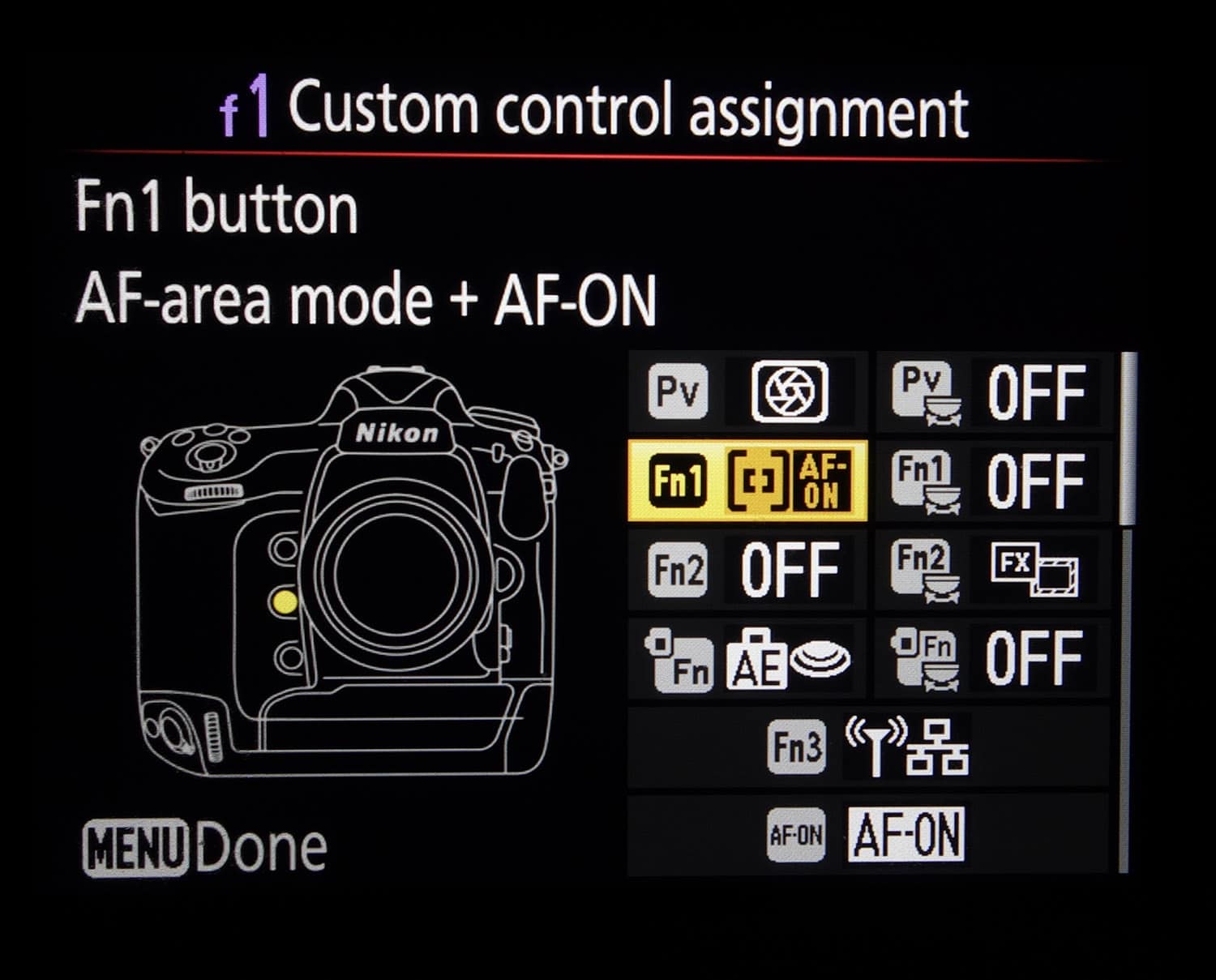
For the new AF module, use 9 points, non 3D, and AF-C, Release Priority, Dynamic area, AF Lock set to OFF. Don’t pump the AF ON button after you have acquired the subject while tracking.

Please read these threads.
http://forums.dpreview.com/forums/read.asp?forum=1021&message=28727705

Specific AF settings here
http://forums.dpreview.com/forums/read.asp?forum=1021&message=29473951

Q4. AF difference between the D300 & the D3
Ans: D3 has faster AF ( due to more computing horsepower in the D3 hardware) and you already know the AF points are bunched closer & its Full Frame. I am tending towards the D3 than the D300 only because I tend to favour better AF to pure pixel density.

Basically there is no one solution at the moment. The best AF in the Nikon range is the D3. The best Pixel density is, the D300. If you can manage it, get the D3 and the 600VR. If you can hire a D3 and try it as well. You will only know about the new manufacturer system and its intricacies once you begin to use it, not that there wont be any, just that they are different. Here you already know about them perhaps mostly have solved them already to some level.

As for me, I am staying with the pro body from Nikon. I do prefer the Nikon pro body ergonomics very much and can do most things without taking my eye off the camera. Hence, I am staying with the D2X (for pixel density) and also might get a D3 (for low light) shortly. Once you have a long lens you do need two bodies, one for the long lens and one for the short lens. But, if what you shoot is landscapes or anything that does not need a super quick AF response, stick with the D300.

You should have a D3X announced sometime March next year I guess. For the FF vs 1.5x crop, one can use “foot zoom” for some parts.

No comments

Bagsutra - Part 2 ( Fitting the 600mm VR into a Lowepro Vertex 300)

I got hold of the Lowepro Vertex 300 bag and here is what I am able to load. Pic below. The 600mm is in the lenscoat camo in the bottom of the frame, the 300mm 2.8 VR is on the top of the frame and the Nikon D2x is to the right.

Lowepro Vertex-300 with 600VR+300_2_8VR+D2X

* Nikon 600mm VR with reversed Lens hood (fitted with RRS replacement lens foot). The front element is protected with a Lenscoat XXX Hoodie slipped over the end of the reversed lens hood.

* Nikon 300mm 2.8 VR with Lens Hood reversed

* Nikon D2X

I doubt one could fit in much more. Maybe a teleconverter or a flash but not much space left at all. Yes the bottom portion bulges a little when the bag is closed but, the bag closes. I think one could use it for a 600+ 70-200 + 2 bodies + TC.

My current bag the Lowepro Mini Trekker is now too small for my gear. Now, I plan to use the Vertex 300 for the 300mm + all the gear and carry the 600 separately till I get hold of the Think Tank Airport Addicted or better still, figure out my own backpack.

1 comment

Long Lens Techniques

If you have a long lens like the 400/500/600 or the 800, and you have a solid support you, do need stellar long lens technique to get the sharpest shot possible. So here are a few links that tell you exactly how you can improve your shot stability.

Nikon Cafe link on Long Lens Technique

Naturephotographers.net Article on Long Lens Technique

Moose Peterson’s article on Long Lens Technique

Couple of Tripod stability tips.

* Don’t extend the centre column. Better to remove it altogether.

* Don’t extend the bottom most section of the tripod fully.

* The centre leg of the tripod should always be placed directly in front of you.

* Level the tripod

* Check tripod legs firmly locked and placed where it cant slip accidentally.

And……PRACTICE >>PRACTICE>>PRACTICE and then some more :-)

No comments

Bagsutra !

Always plan as “Carry On”, cameras & lenses.

Option 1 : All in One Bag Carry On Approach :

The Think Tank Airport Security ( a roller bag) or, the Airport Addicted which is a backpack. Both these bags will take all of the 600mm with lens hood reversed and then some more. Even though the “Airport Security” is a roller, the weight with all the gear in one bag can be a big issue especially if you have a weak back or, not physically fit enough.

Its about the 8 inches: With the Nikon 600mm if you want to include the reversed lens hood you need a bag which has a depth of 8 inches on one side and a total length of 19 inches the lens itself being 17.5 inches in length.

Here are the Nikon 600 VR measurements:

Length of Lens without Lens Hood : 17.5 inches
Maximum Diameter of Lens without Lens Hood: 6.5 inches
Length of Lens with Lens Hood in reversed position: 19 inches.
Length of Lens with Lens hood attached for shooting: 25 inches
Length of Lens Hood when stored one inside the other : 7 inches
Max Diameter of Lens Hood : 8 inches
Max Diameter of Nikon Supplied Lens Hood Cover: 9 inches

So you can use the Airport Security but then its only for transport in “civilised” conditions and I doubt one can use it under field conditions. Though I guess you can use this to work out of, when in a car or vehicle.

Option 2: The Two Bag Carry On Approach:

How about if we split the load into two bags ? One a backpack say a Lowepro Photo Trekker AW / Lowepro Vertex 300. One could carry all the small stuff in this backpack not including the Lens hood for the 600mm. The lens hood soft black cover from Nikon has a 9 inch diameter. Lens hood alone is 7.75 inches in diameter. Another option is to check in the Lens Hood in the third bag along with your clothes.

The second bag I’d recommend is a, Pelican 1510 or, a Stormcase iM2500 . Both are Airline carry on size hard cases. The Stormcase iM2500 is available at about INR 4000 and, the Pelican should be about the same as well. I wouldn’t bother with the divider set since that eats up the space. What one can do is wrap up ( with bath towels) the 600mm without the lens hood say along with a 300mm2.8 + one body in this case. On the 600 & 300 I will use a lens coat hoodie to protect the front element. 600 hoodie is the XXX model and the 300 hoodie is the X model. Maybe wrap the lens in towels and add a large canvas bag as a backup inside this hard case. Large canvas bag so that when in the field you can use the bag if needed. Additionally if you do get into airport carriage one bag restrictions, you are able to pile in stuff from both the backpack and the hard case into one bag and still board the aircraft with the canvas bag as a one bag carry on. If I was working from boats, a hard case would be handy. The military green hard case in the pic below is the Stormcase. This is the Stormcase iM2500 in which I took both my 600 & 300 on a boat at Mahul. The camera and small stuff was in the Lowepro Mini Trekker AW (the black and green backpack on the left, and the lens hoods went into the grey knapsack on the right). If I had the photo trekker or the Vertex 300, I would have had only one backpack.

DSCN1087

The picture below shows the 600VR and the 300mm 2.8 VR lenses in the Stormcase without their lens hoods.

600VR_and_300_F28VR_in_Stormcase_iM2500

The two bag strategy will reduce weight by splitting the load and, give you the flexibility to also use the bag - hard case combo in the field. Typically in the field, you will mount up the 600 on the tripod and carry the second body with the 300 attached. The smaller stuff either goes into the backpack or the photo vest. The hard case would remain back in the room. I carry a bunch of large plastic bags ( a few always readily accessible in my pocket/ backpack outer pouch) so that if caught out in rain, I can quickly secure my gear instantly , without bothering to put them inside a regular photo bag.

The two bag strategy works really well when you have a non photographer partner along on a trip who usually doubles as your lens caddy ;-) I dare say, I do know of a few “pretty sherpas” who, are called on to help ( if I may put that mildly that is ) on trips !!!

Besides the hard cases can be used for regular storage since they are air tight. But, all the same I store my lenses in a cupboard where I have a few low wattage bulbs permanently switched on. This keeps the temperature a little high and reduces the ambient humidity thus preventing fungus on the lens.

For the Long Lens Bag/ case, one could choose a Lowepro Lens Trekker 600 or the Kinesis Long Lens Bag or this one Long Lens Bag for Safaris.The reason I did not choose these bags is because you end up with two backpacks and, that gets difficult to manage by one person, say in an airport. But if there are two of you (assuming one of you is traveling relatively light/ is a non photographer) or, you want to carry just a big lens, one body and maybe one wide, the single long lens case is probably the best option.

So two options for the 2 Bag strategy
Option-A : Backpack + Roller Bag/ Roller Hardcase
Option-B : Backpack + Long Lens Case

The “Check In” bag
Of course you will need to check in the tripod, the wimberley, maybe the chargers along with your clothes & toiletries etc. These items will go into the check in bag. You could also keep the large lens hood in this check in bag. If you did that, you could just about squeeze the 600mm inside the Photo Trekker back pack. But now you would have a very heavy backpack.

In the Field:
Typically the 600mm is on a tripod and carried over the shoulder. The second body is sometimes slung across with either a 300 or a 70-200. TCs get into the pockets. On occasions, there could be a backpack with some of the small stuff / with the second body with lens mounted inside.

Here is an old dpreview thread on “Packing the big glass

If this helps you in resolving some of your gear carting issues or, if you are working any other bag strategy ….do drop me a comment, I would be keen to know !

No comments

What else do you need when you get a big lens ?

Lately I am being asked, what else one needs when you get hold of a big 400mm/ 500mm/ 600mm / 800mm lens. So here is my list of typical long lens accessories that you might need.

I am sure there will be substitutes but, for this list, I have stuck to whatever is “top of the line” as of today. So when you plan a long lense, also plan for a few of these essentials in your budget ! I use a Nikon 600mm VR so some of these are matched for particularly to that lens. You will need to find the exact one for your lens for those specific items.

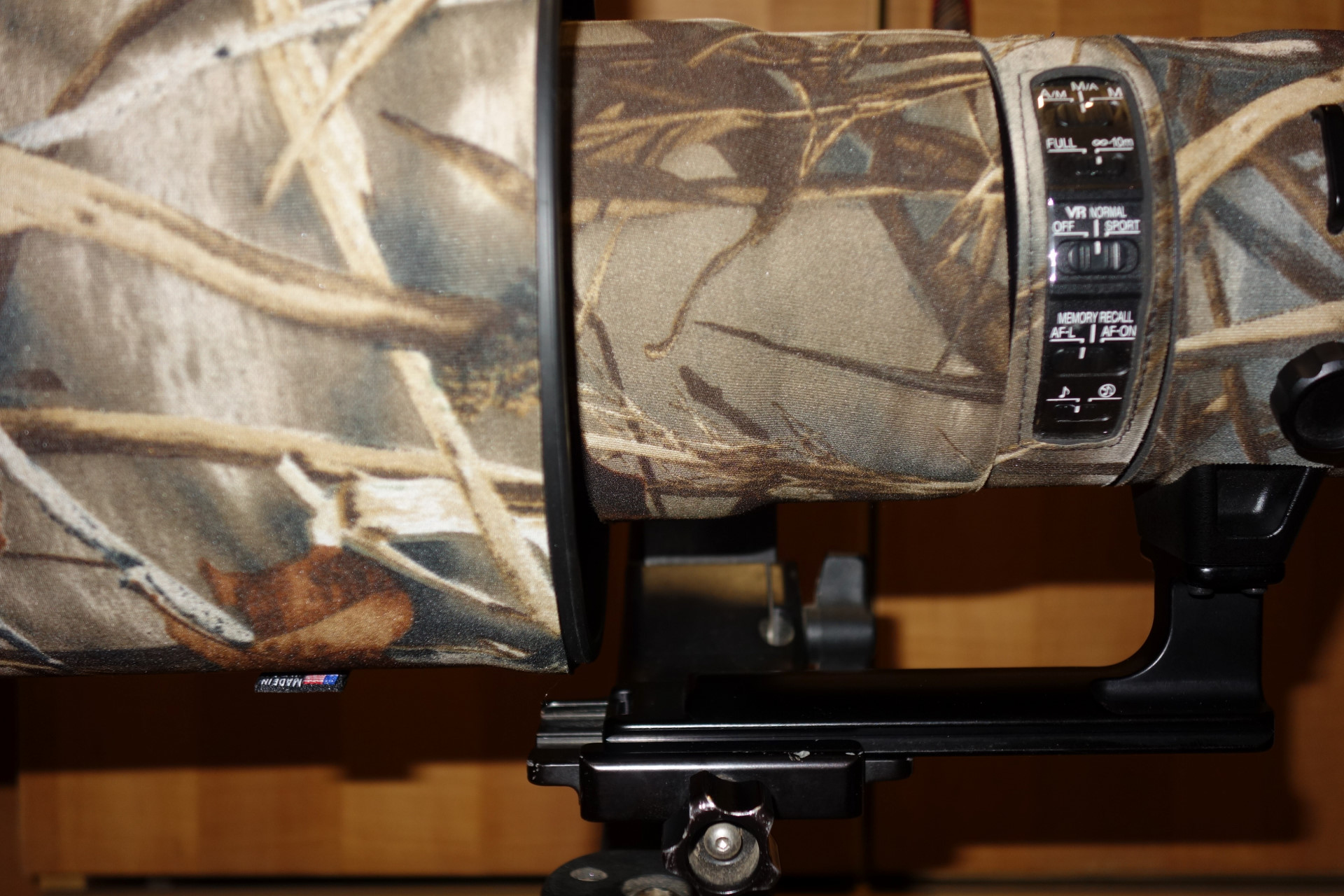
A lot of folks are unaware that when you use a gimbal head like the Wimberley or Jobu or the Mongoose, one cannot mount the lense on the system with the manufacturer’s original lens foot. The Gimbal mounts and also some of the best ballheads like the RRS / Arca Swiss/ Kirk/ Markins have a groove system ( scroll to the pics at the bottom on the link) originally thought out by Arca swiss. The lens foot usually needs to be changed to an Arca swiss compatible replacement foot ( usually a good idea since the replacement foot will lower the height thus lowering the centre of gravity of the lens and hence providing more stability and, also have the groove to fit the Arca swiss quick release system. Alternately you could use a simple lens plate which attaches below the manufacturers lens foot.

Perhaps its a good idea to get the 1, 2 & 3 before you get the lens so that, you can get used to the setup. Much better than fumbling with all the knobs while setting the big lens for the first time !

Ok…here goes the list. You absolutely absolutely need items 1, 2,3 & 4

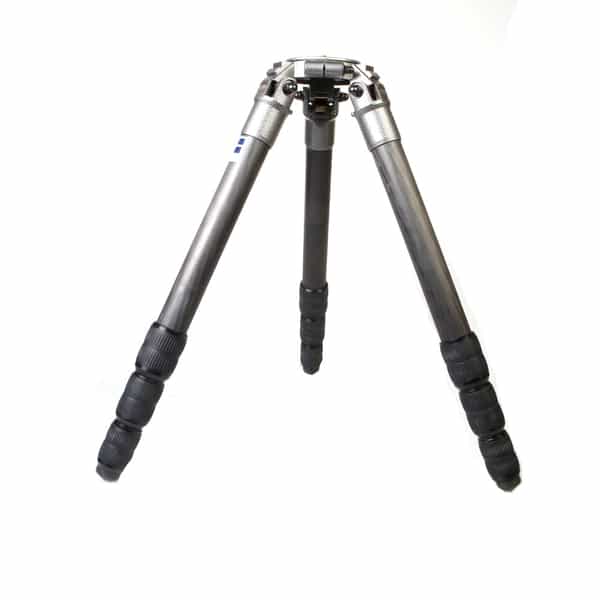
1.Tripod : Gitzo GT5541LS OR Sachtler Speedlock 75 CF + 75mm Half Ball
Sachtler is a favourite with the video crowd and, it has good recommendations to handle a long lens. The leg locking system is unique and, can handled with one hand. Check these links Sachtler-1 , Sachtler
- 2

2. Wimberley Head II the WH-200

3. Wimberley Lens Foot AP-452 for the Nikon 600mm VR http://tripodhead.com/products/replacement-feet-main.cfm

OR 4th Generation Design Replacement Lens Foot

OR Reallyrightstuff Replacement Lens Foot LCF-13 ( I use this one)

4. Lowepro Lens Trekker 600AW OR Kinesis Long Lens Case .I have a discussion on this very topic in the post called “Bagsutra”.

5. Storm Jacket 30inch ( Rain Protection) OR the Think Tank Hydrophobia

6. Tripod Leg Pads

7. Lens Coat Cover for 600VR

8. Lens Front Element protection cover for 600 VR bare

9. Leveling Base new one now Gitzo GS5120 replaces now discontinued old 1321

10. Strap to carry Tripod when folded

11. Tripod Bag

12. Gitzo GM5540 Monopod (You need to separately get the Wimberley C-10 below as well)

13. Wimberley C-10 Quick Release Clamp for monopod

14. Skimmer Ground Pod

15. Kenko Extension Tube Set . Use this between the lens and camera to reduce minimum focusing distance of a long lens.


You will additionally need the following when you want to use a flash with the Wimberley.

16. Off camera Flash Bracket for the Wimberley Head II

17. Flash Adaptor FA-11

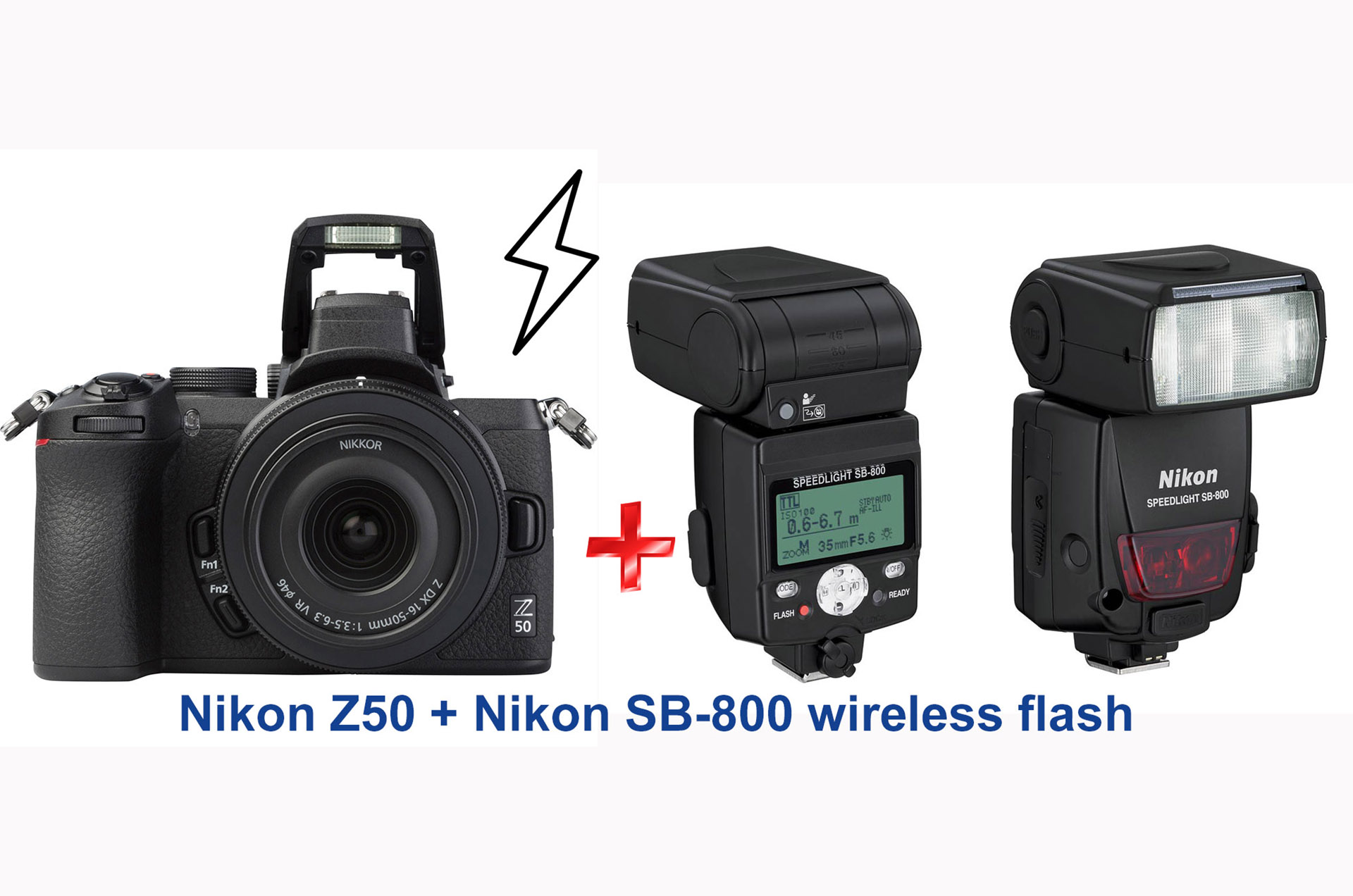
18. Off Camera Flash Chord SC-29 for the Nikon Flash SB-800

19. Better Beamer Flash Extender FX-4 for the Nikon SB-800

20. I would like to suggest you use 2700mAH POWEREX Rechargeable Batteries for the flash

21. POWEREX Charger MH-C801D


You could also substitute item 11 with the Reallyright stuff B91-B Flash bracket and replace item 12 with the Reallyright stuff FA-29 flash adaptor.

Thats a very long list guys ! And you do need a bag strategy to carry all this and a few more as well !!! More about that in a future post :-)

Happy Gymming !

If this list helped you…..do drop me a comment . Would be nice to hear from you !

8 comments

Next Page »